
JMT STEEL-DOSHI STEEL GROUP
GST : 27AALFJ2331G1ZI

Call us now
07971189443

GST : 27AALFJ2331G1ZI
Call us now
07971189443

Price:
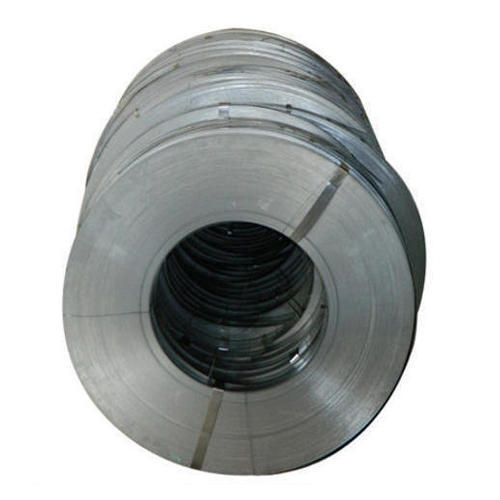
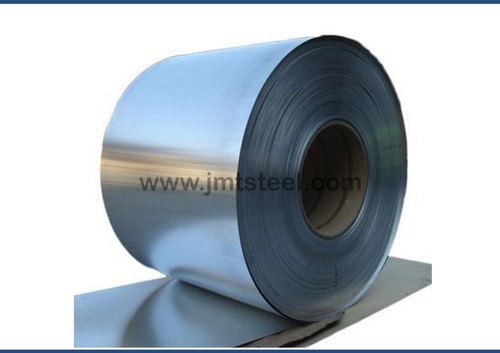
Price 51 INR / Kilograms
Minimum Order Quantity : As Per Customer Requirement Kilograms
Material : Steel
Width : 3.20mm to 1800mm Millimeter (mm)
Usage : Automobile Industry, Sheet Metal Manufacturers, Pipes & Tubes, Industrial & Engineering Parts, White Good Manufactures.
Application : Automobile Industry, Sheet Metal Manufacturers, Pipes & Tubes, Industrial & Engineering Parts, White Good Manufactures.
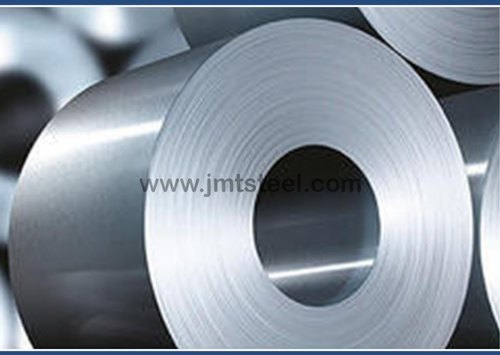
Price 51 INR / Kilograms
Minimum Order Quantity : As Per Customer Requirement Kilograms
Material : Steel
Width : 3.20mm to 1800mm Millimeter (mm)
Usage : Automobile Industry, Sheet Metal Manufacturers, Pipes & Tubes, Industrial & Engineering Parts, White Good Manufactures, etc.
Application : Automobile Industry, Sheet Metal Manufacturers, Pipes & Tubes, Industrial & Engineering Parts, White Good Manufactures, etc.
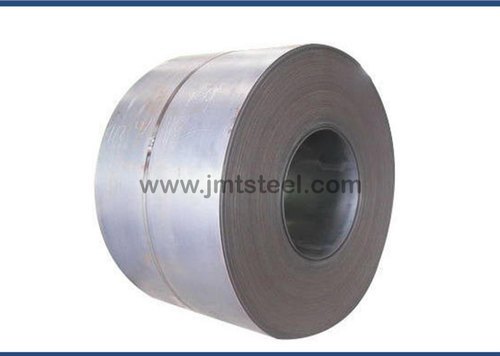
Price 51 INR / Kilograms
Minimum Order Quantity : As Per Customer Requirement Kilograms
Material : Steel
Width : 3.20mm to 1800mm Millimeter (mm)
Usage : Automobile Industry, Sheet Metal Manufacturers, Pipes & Tubes, Industrial & Engineering Parts, White Good Manufactures, etc.
Application : Automobile Industry, Sheet Metal Manufacturers, Pipes & Tubes, Industrial & Engineering Parts, White Good Manufactures, etc.
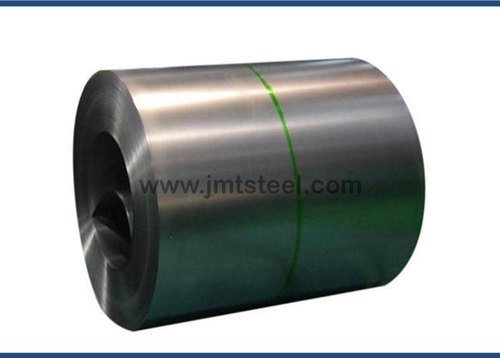
Price 51 INR / Kilograms
Minimum Order Quantity : As Per Customer Requirement Kilograms
Material : Steel
Width : 3.20mm to 1800mm Millimeter (mm)
Usage : Automobile Industry, Sheet Metal Manufacturers, Pipes & Tubes, Industrial & Engineering Parts, White Good Manufactures, etc.
Application : Automobile Industry, Sheet Metal Manufacturers, Pipes & Tubes, Industrial & Engineering Parts, White Good Manufactures, etc.
GST : 27AALFJ2331G1ZI



 Send Inquiry


 Send Inquiry